
Most visitors passing through northern Tanzania come for the Ngorongoro Crater or the Serengeti. Fair enough. But there’s a stop between Arusha and those parks that a lot of people drive straight past, and it’s worth pulling over for.
Safariland, near Karatu, sits right on that route. It’s not a detour. It’s already on your way. And what’s inside covers something most safari itineraries don’t: proper East African food, hands-on local Tanzania tours, and the kind of cultural experience that stays with you after the wildlife photos have blurred together.
East African Food That Actually Reflects Where You Are
There’s a version of “local food” served at tourist lodges across Tanzania that plays it safe, with vaguely familiar dishes and little connection to the region. Ol Mesera Restaurant at Safariland isn’t that.
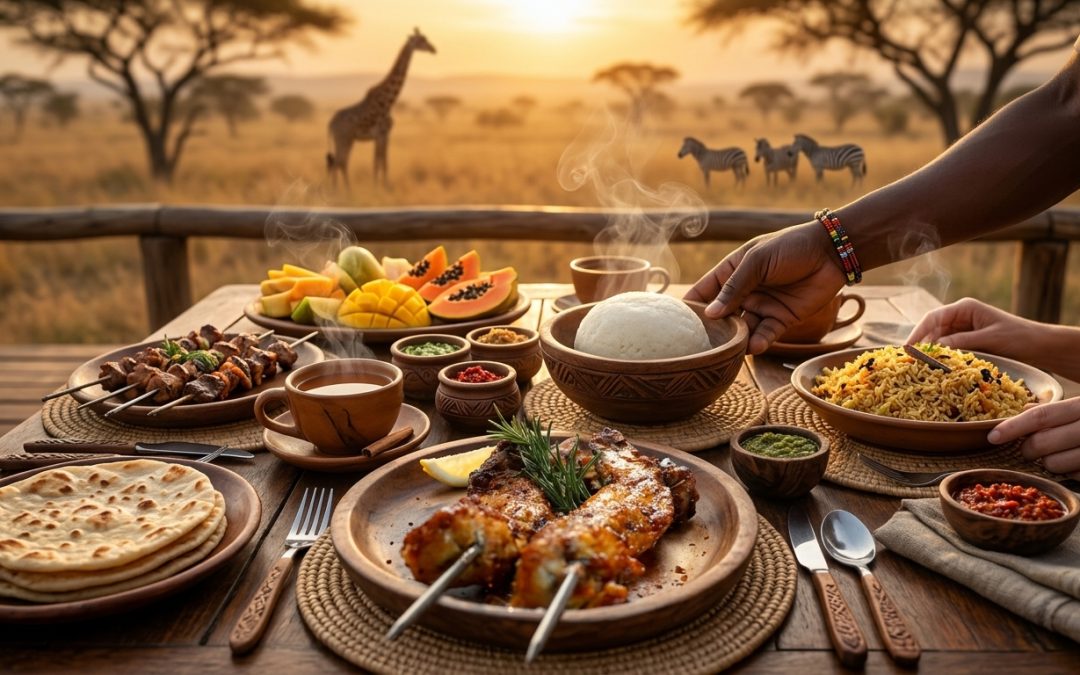
The menu pulls from real Tanzanian cooking. Choma choma are grilled meats prepared the way you’d find them at a local roadside stop, not a sanitised hotel version. Mchicha bowl is made with wild spinach, earthy and unfussy. A selection of local bitings are small snacks that are genuinely Tanzanian rather than adapted for foreign palates. Everything comes from fresh, organic ingredients and the kitchen doesn’t overcomplicate things.
The Dawa cocktail is worth mentioning too. It’s a Kenyan classic made with vodka, honey and lime, and it pairs well with the food and the unhurried pace of Safariland.
East African food at its best is about freshness and simplicity, not performance. Ol Mesera gets that right.
Ebony Carving Tours and Hands-On Workshops
Most carving tours Tanzania visitors encounter are observation-only. You watch, you photograph, you move on. Safariland runs it differently.
The ebony carving tour takes you through the work of Makonde craftsmen, one of East Africa’s most respected carving traditions. You see the tools, the process and the grain of the wood. Master carvers explain what they’re doing and why certain cuts matter. Tanzania is home to over 120 ethnic groups, each with distinct craft traditions, something UNESCO’s intangible cultural heritage records for Tanzania document in detail. Safariland’s carving tours sit squarely within that living tradition.
The painting workshop tours at Safariland run on the same principle. Local artists guide you through creating something yourself, not a kit version, but a real piece you take home. For families especially, this tends to be the part of a Tanzania trip children actually remember.
The cooking demonstration connects directly to the food side. You learn the techniques behind the East African dishes served at Ol Mesera Restaurant Safariland. Both the workshop and the demo are bookable in advance, which is worth doing during peak season.
Why This Kind of Stop Matters
A standard safari shows you the landscape and the animals, both extraordinary. But local Tanzania tours that go into food, craft and community fill the gap that game drives leave open. You get a sense of the people and the culture, not just the terrain.
Safariland is set up specifically for that. The food is real, the craftspeople are genuine, and the workshops produce things you actually made yourself.
Conclusion
If you’re driving between Arusha and the Ngorongoro Crater, Safariland near Karatu is the cultural stop your itinerary is probably missing. Authentic East African food at Ol Mesera Restaurant Safariland, ebony carving tours led by Makonde craftsmen, painting workshop tours and a cooking demonstration are all under one roof and all worth your time. Visit mysafariland.com to book your activities before you arrive.
FAQs
What is East African food like at Safariland?
Ol Mesera Restaurant Safariland serves traditional Tanzanian dishes using fresh, organic ingredients including grilled meats, wild spinach bowls, local snacks and the classic Dawa cocktail. The menu reflects genuine regional cooking rather than an adapted tourist version, making it one of the more honest East African food experiences on the northern safari circuit.
What do the ebony carving tours at Safariland involve?
The carving tours Tanzania visitors take at Safariland focus on the Makonde tradition, one of East Africa’s most respected woodworking crafts. Master carvers walk you through the process hands-on, explaining techniques and the significance of the work. It’s an active experience, not just observation.
Can I book painting workshop tours and food experiences together at Safariland?
Yes. Safariland’s tours and activities can be combined, so you can join a painting workshop, attend a cooking demonstration and eat at Ol Mesera in a single visit. It’s worth booking in advance, particularly during peak safari season between June and October.