
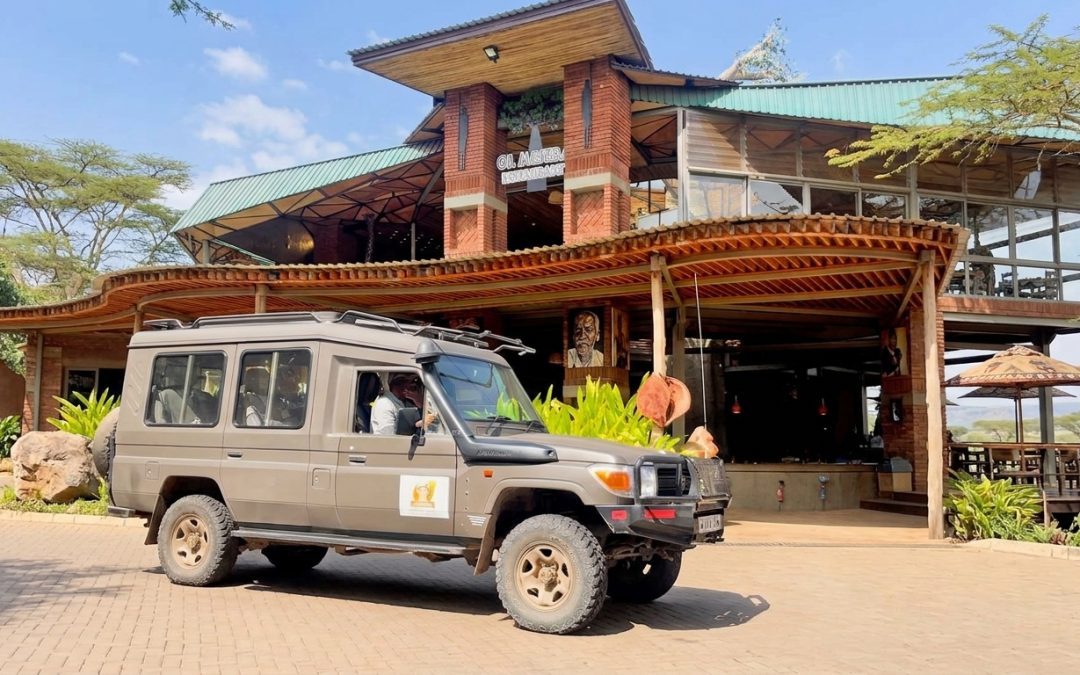
Most people planning a Tanzania trip build their days around one shape: wake early, drive to a park gate, watch wildlife, drive back, sleep, repeat. It works, and nobody comes home regretting a lion at dawn. But if you're after a genuinely unique Tanzanian experience, one that doesn't feel like a repeat of the same game drive with a different backdrop, you need a stop that does something different with the hours between parks. Safariland, on the road between Arusha and the Ngorongoro Crater near the town of Karatu, is built around exactly that gap.
What "beyond the safari" actually looks like on the ground
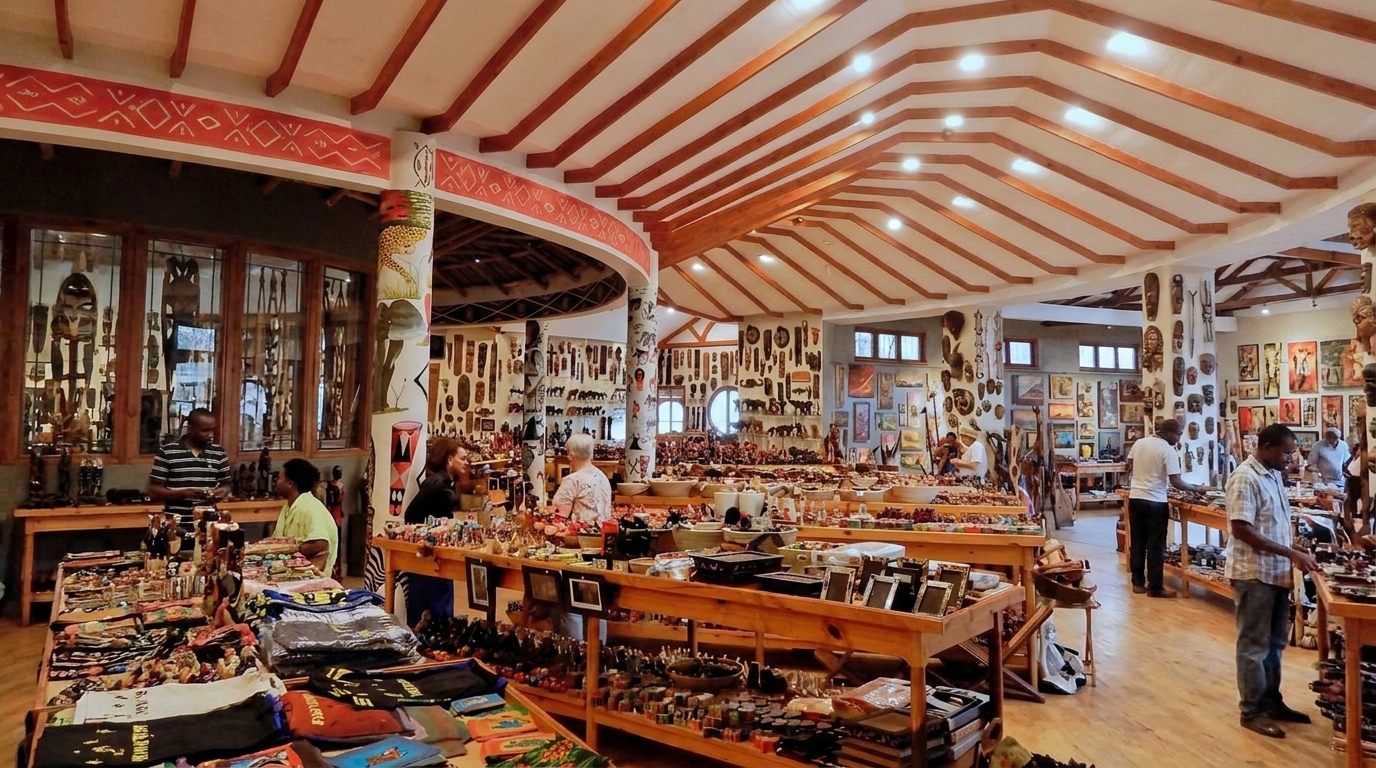
Safariland isn't one attraction with a gift shop bolted on. It's a working complex that brings together African Galleria (a large private collection of African art, carvings and crafts), Africa Gems & Jewelers (certified gemstones and custom-made jewellery), Ol Mesera Restaurant (Tanzanian cuisine with a modern edge), and a set of hands-on activities, painting workshops, an ebony carving tour, a tanzanite tour, cooking demonstrations and a local school visit, all under one roof. That combination is the whole point. A safari itinerary tends to treat "culture" as a single bullet point wedged between two parks. Here it's the actual destination for an hour or two, not an afterthought.
A visit that mixes art, gemstones and food without extra driving
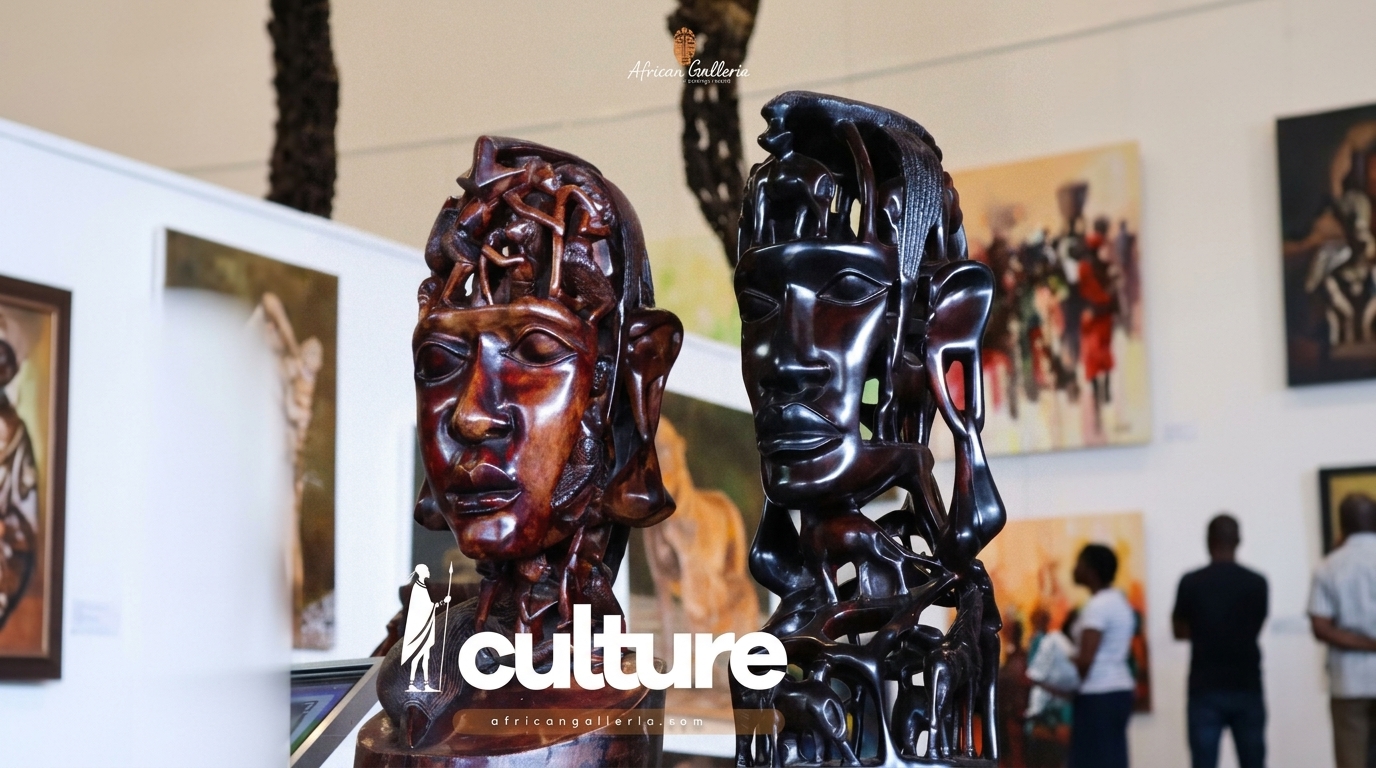
A typical stop starts in the gallery itself, tribal pieces, ebony carvings, bronze wildlife sculptures, paintings and handmade crafts, with Makonde carvers working on-site rather than tucked away in a back room. From there it's a short walk to Africa Gems & Jewelers, where the appeal isn't just browsing finished jewellery but understanding how a stone gets from the ground to a ring on a tanzanite gem tour. If you're hungry, Ol Mesera Restaurant serves fusion Tanzanian dishes, choma choma, a mchicha bowl made from wild spinach, and local "bitings", alongside a signature Dawa cocktail. None of it requires booking three separate outings. It's one stop that happens to hold three or four different experiences.
Safariland against the usual roadside stop
Most travellers passing through Arusha get offered some version of a cultural stop, often a multi-floor heritage centre worked into a half-day city tour, with a fixed-price shop at the back. It's a fine way to spend forty-five minutes. It's a different thing from a stop built around watching artisans actually work.
| What matters to you | Standard city cultural stop | Safariland near Karatu |
|---|---|---|
| Location relative to your route | A detour back into town | Directly on the road to Ngorongoro Crater and Lake Manyara |
| Seeing artisans at work | Usually finished pieces only | Makonde carvers and painters working on-site during tours |
| Gemstone sourcing | A counter, no context | A tanzanite tour connecting the stone to where it's cut and sold |
| Food on the same stop | Not usually included | Ol Mesera Restaurant on the same site |
| Time needed | Around 45 minutes, often rushed | 30 minutes for a quick look, an hour or more with a workshop |
The community side most itineraries never mention
Safariland runs the Moyo Mmoja Foundation, which funds a handful of projects around Karatu rather than sitting purely as a marketing line. The Mtoto Initiative backs talent, sport, art and reading programmes for local children. The Water Project has brought clean drinking water to families in Kibaoni-Manyara and T-Loma village. The Panda Project is the one visitors can actually take part in, planting a tree on-site as part of a longer-running tree-planting effort, rather than just reading about it after the fact. It's a small detail, but it changes what a "unique Tanzanian experience" means in practice, some of what you spend there doesn't just leave the country with you.
Who actually gets the most out of this stop
This suits you if you're already travelling the Northern Circuit, Arusha, Ngorongoro Crater, Lake Manyara, Serengeti, and want a couple of hours that aren't spent inside a vehicle. It suits families who want their kids to see a craft take shape rather than just a finished souvenir on a shelf. It suits anyone weighing up a tanzanite purchase who'd rather understand what they're buying before handing over a card.
It suits you less if your schedule is genuinely tight and Arusha's downtown museums are the specific thing you came for. Safariland isn't trying to replace that. It's trying to give you something worthwhile in the two hours you'd otherwise spend watching the road.
Fitting it into a Northern Circuit itinerary
Safariland sits roughly a two-hour drive from Arusha, between the Ngorongoro Crater and Lake Manyara, on the same stretch most local Tanzanian tours already use, part of what makes the wider Ngorongoro Conservation Area one of the region's most visited stretches of road. Building in an hour here doesn't mean rerouting your trip, it means using time you were already going to spend in the car anyway.
What to actually pack into the visit
Not every stop needs a full itinerary, but knowing what's on offer beforehand helps you use the time well rather than wandering between rooms. A few ways guests tend to structure a visit:
- A quick walk through African Galleria alone, thirty to forty minutes, if you're mainly curious and short on time.
- The carving tour added on, watching Makonde carvers shape ebony by hand rather than only seeing the finished pieces on display.
- A painting workshop, where a local artist guides you through creating your own original African painting instead of just talking you through theirs.
- The tanzanite tour paired with a browse at Africa Gems & Jewelers, useful if a gemstone purchase is part of the plan.
- Lunch at Ol Mesera Restaurant worked in either side of the gallery visit, so the stop doubles as a meal break, plus a look at the handmade crafts collection on your way out.
Most guests don't do all five in one go, and there's no real need to. The point of building a unique Tanzanian experience around Safariland is picking two or three of these that match what you actually care about, rather than trying to see everything in a rush.
Why the "one roof" detail matters more than it sounds
It's easy to skim past "art, gems, food and activities in one place" as marketing language. In practice it changes how a stop feels. A separate gallery visit, a separate jewellery errand and a separate lunch stop each carry their own small cost, in time, in extra driving, in decision fatigue after a long morning on safari roads. Folding all of it into one site removes that friction. You're not choosing between the gallery and lunch. You get both, in whatever order suits the group, without recalculating the day's schedule around a second or third stop.
Frequently asked questions
What makes Safariland a unique Tanzanian experience rather than a typical tourist stop?
It brings together an art gallery, a gemstone and jewellery workshop, a Tanzanian restaurant and hands-on activities in one site, with artisans working on-site rather than just selling finished pieces.
Where is Safariland located?
Near the town of Karatu, between Ngorongoro Crater and Lake Manyara, about a two-hour drive from Arusha.
How long should I plan for a visit?
Around thirty minutes for a quick look at the gallery, or an hour or more if you add a carving tour, painting workshop or lunch at Ol Mesera Restaurant.
Is this suitable for families?
Yes. Activities such as painting workshops, cooking demonstrations and the local school visit are built around hands-on participation, which tends to work well for children and adults alike.
Does visiting Safariland support the local community?
Safariland runs the Moyo Mmoja Foundation, which funds education programmes, a clean water project in nearby villages, and a tree-planting initiative visitors can join directly.
Do I need to book activities in advance?
It's worth reaching out ahead of your visit, particularly if you want a specific workshop or tour slot, since activities are arranged around guest bookings.
Can Safariland be combined with a stop at Ol Mesera Restaurant and the gemstone workshop in the same visit?
Yes, that's how the site is set up. African Galleria, Africa Gems & Jewelers and Ol Mesera Restaurant sit on the same complex, so a single stop can cover a gallery browse, a jewellery look and a meal without extra driving between them.
A safari builds itself around the parks, and it should. But the drive between them doesn't have to be dead time. A genuinely unique Tanzanian experience is often less about adding a new destination and more about using the stretch of road you're already covering properly, and that's the gap Safariland near Karatu is built to fill.
Ready for a Different Kind of Tanzania Day?
If you want a genuinely unique Tanzanian experience between your safari days, plan a stop at Safariland near Karatu and see art, gemstones, food and culture come together in one visit.
Plan Your Visit to Safariland