
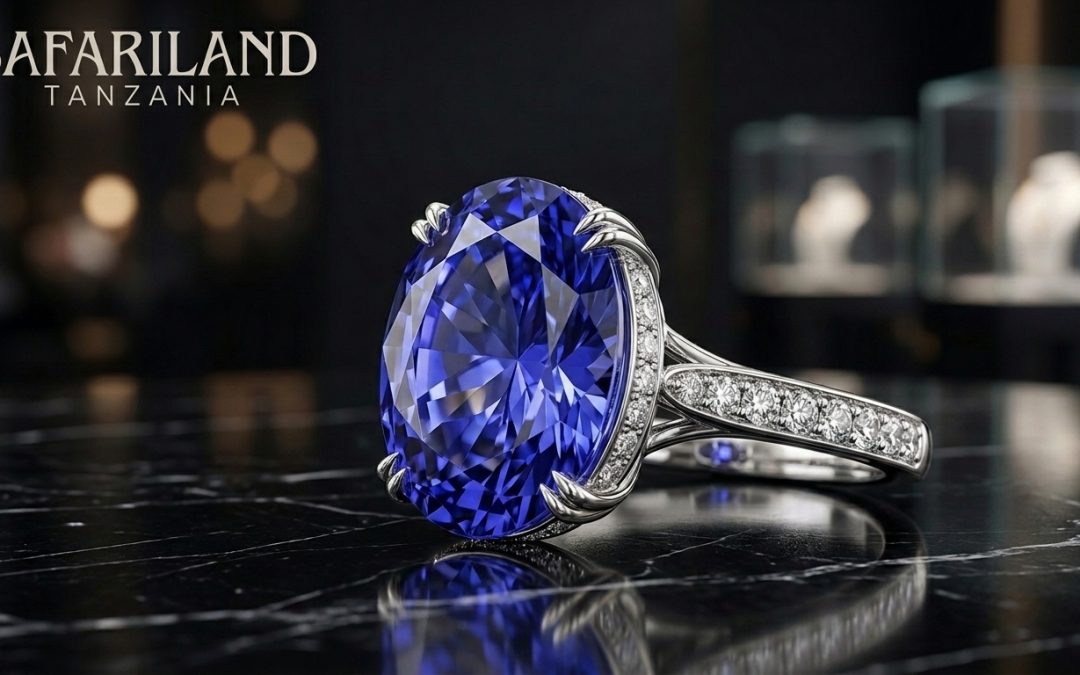
A woman in our shop last month held two nearly identical rings side by side, unable to tell which one cost three times more than the other. The difference wasn’t obvious to an untrained eye, but it mattered enormously to her wallet. That’s the real challenge with Tanzanite Jewelery, the details that separate a good piece from a great one rarely announce themselves.
Setting matters more than people expect
A stone this striking deserves a setting that doesn’t fight it for attention. Platinum and white gold tend to let the blue-violet colour speak for itself, while yellow gold can warm the tone in a way some buyers love and others find distracting. Prong settings show off more of the stone’s surface, but they also expose it to more knocks, which matters given tanzanite sits lower on the hardness scale than a diamond. Anyone choosing between styles should think about how the piece will actually be worn day to day, not just how it looks under shop lighting.
Caring for a softer stone
Because a Natural Tanzanite Stone is more prone to scratching and chipping than harder gems, everyday care looks a little different. Taking rings off before housework, gym sessions, or gardening avoids most of the damage we see come through the workshop door. Ultrasonic cleaners are best avoided too, a soft cloth and mild soapy water does the job without risking hairline fractures that ultrasonic vibration can cause in included stones. Stored separately from harder jewellery, away from anything that could scratch the surface, a well-kept piece easily lasts a lifetime.
Choosing tanzanite for an engagement ring
Among Unique Gemstone Engagement Rings, tanzanite appeals to couples wanting something that doesn’t look like everyone else’s ring, but it’s worth having an honest conversation about lifestyle first. Someone who works with their hands daily might be better suited to a bezel setting that protects the stone’s edges, while a desk job leaves more room for a classic prong design. At African Gems & Jewelers, each ring is custom designed around exactly this kind of conversation, rather than sold as a fixed, one-size design.
Buying with proper documentation
A stone this valuable is worth buying with paperwork attached. Independent grading through a recognised body such as the Gemological Institute of America covers treatment history and clarity, giving buyers something concrete beyond a seller’s word. It also protects resale value down the line, which matters more with tanzanite than with gemstones available from multiple sources worldwide.
Making a trip of it
Buyers who travel to Karatu to choose their stone in person tend to remember the whole experience rather than just the purchase, and food usually plays a bigger part in that than they expect. African Cuisine here relies on ingredients grown just down the road, and Ol Mesera Restaurant serves dishes most visitors have never encountered, giving anyone here for the gems a proper taste of East African food alongside it.
Final thoughts
Buying Tanzanite Jewelery well comes down to a few honest questions, how it’ll actually be worn, whether the setting suits a lifestyle rather than just a photo, and whether there’s documentation to back up what’s being sold. Get those right and the piece holds both its beauty and its value for years.
FAQs
What setting works best for tanzanite jewellery?
Platinum and white gold tend to complement the stone’s colour, while bezel settings offer more protection for those with active lifestyles.
How should tanzanite jewellery be cleaned?
A soft cloth with mild soapy water is safest. Ultrasonic cleaners should be avoided as they can damage included stones.
Is tanzanite a good stone for an engagement ring?
Yes, though it’s softer than a diamond, so the setting and how it’s worn day to day are worth considering carefully first.
Why does documentation matter when buying tanzanite?
Independent certification confirms treatment history and clarity, protecting both the buyer and the stone’s future resale value.