
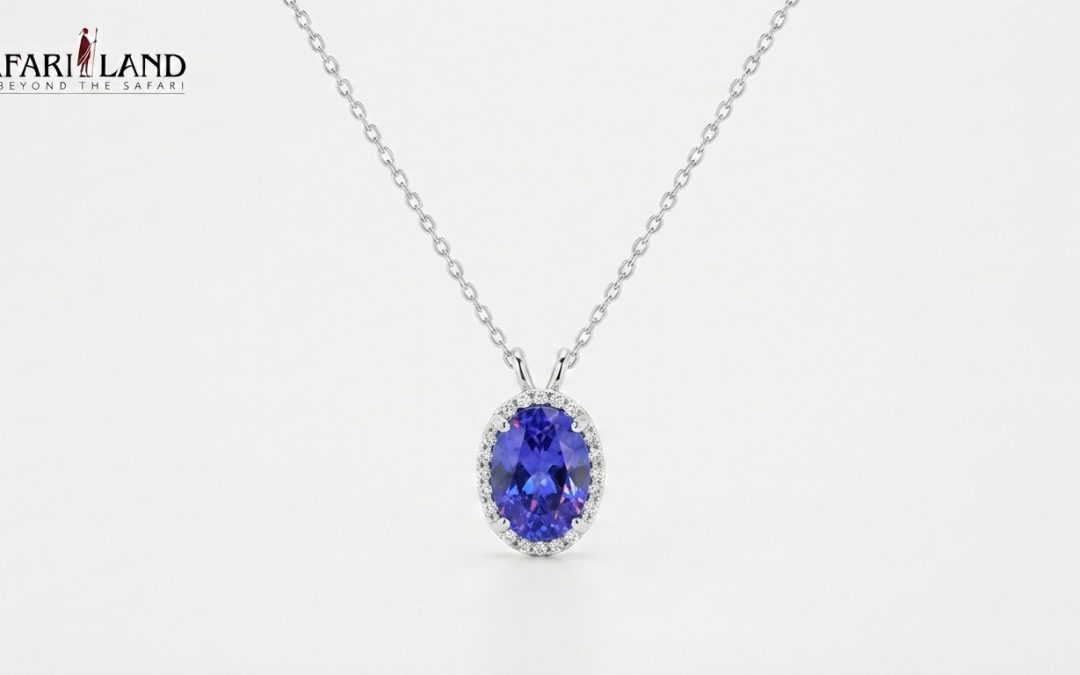
Tanzanite only comes from one place on earth, a patch of land roughly the size of a small town near Mount Kilimanjaro in northern Tanzania. Once the deposit there runs out, that’s it, there won’t be more. That single fact does more to explain the price and appeal of Tanzanite Jewelery than anything a sales brochure could say.
Why one hillside near Kilimanjaro matters so much
Most gemstones turn up in several countries across different continents. Tanzanite doesn’t. It was only discovered in 1967, in the Merelani Hills near Arusha, and geologists still haven’t found a second deposit anywhere else on the planet. That scarcity is why a Natural Tanzanite Stone holds its value the way it does, and why buyers who understand gemstones tend to treat it less like decoration and more like an investment piece.
What actually makes a good stone
Colour is where tanzanite earns its reputation, a blue-violet that shifts depending on the light and the angle you view it from. Deeper, more saturated stones with strong violet tones command the higher prices, while paler stones cost less without necessarily being lower quality, just different. Clarity and cut matter too, the same as with any gemstone, but with tanzanite the colour argument usually wins first. If you’re comparing stones, look at how a piece behaves under both daylight and warm indoor light, since a lot of tanzanite’s character only shows up when the light changes.
Where engagement rings come in
Sapphires and diamonds still dominate the engagement ring market, but tanzanite has been steadily carving out its own space among Unique Gemstone Engagement Rings, particularly for couples who want something their friends haven’t already seen a dozen times. It sits at roughly an 6 to 7 on the Mohs hardness scale, softer than a diamond, which means it suits a ring worn with a bit more care rather than daily heavy use. At African Gems & Jewelers, every piece is custom made from ethically sourced stone, so a ring can be designed around the exact tone and cut a couple wants rather than picked off a shelf.
Beyond the gemstone counter
Anyone visiting Karatu for tanzanite usually finds themselves staying longer than planned, and food is often the reason why. African Cuisine here isn’t the version served in most Western restaurants, it’s closer to home cooking, built around fresh, organic ingredients grown nearby. At Ol Mesera Restaurant, dishes like choma choma and a wild spinach mchicha bowl give visitors a real taste of East African food rather than a tourist-menu version of it, and a Dawa cocktail afterward tends to be how most evenings end.
Buying with confidence
Because tanzanite comes from a single source, its value can shift with mining output, so buying from a place with a transparent sourcing story matters. Independent grading through a body like the Gemological Institute of America is worth checking on any significant purchase, particularly for stones sold as investment pieces rather than everyday jewellery.
A stone worth the trip
Tanzanite Jewelery isn’t something most people stumble across by accident, it’s usually sought out deliberately, whether that’s a ring for an engagement or a stone bought as a keepsake from Tanzania itself. Seeing it in Karatu, close to where it was pulled from the ground, tends to change how people feel about the piece they eventually take home.
FAQs
Why is tanzanite so rare?
It comes from a single deposit near Mount Kilimanjaro in Tanzania, and no other source has been found anywhere else in the world.
Is tanzanite a good choice for an engagement ring?
Yes, though it’s softer than a diamond, so it suits rings worn with a bit more care rather than heavy daily use.
What affects the value of a tanzanite stone?
Colour saturation matters most, with deeper blue-violet tones commanding higher prices, followed by clarity and cut.
Can tanzanite be bought directly in Tanzania?
Yes, buying near the source, such as at Safariland in Karatu, often means access to ethically sourced, custom-made pieces.