
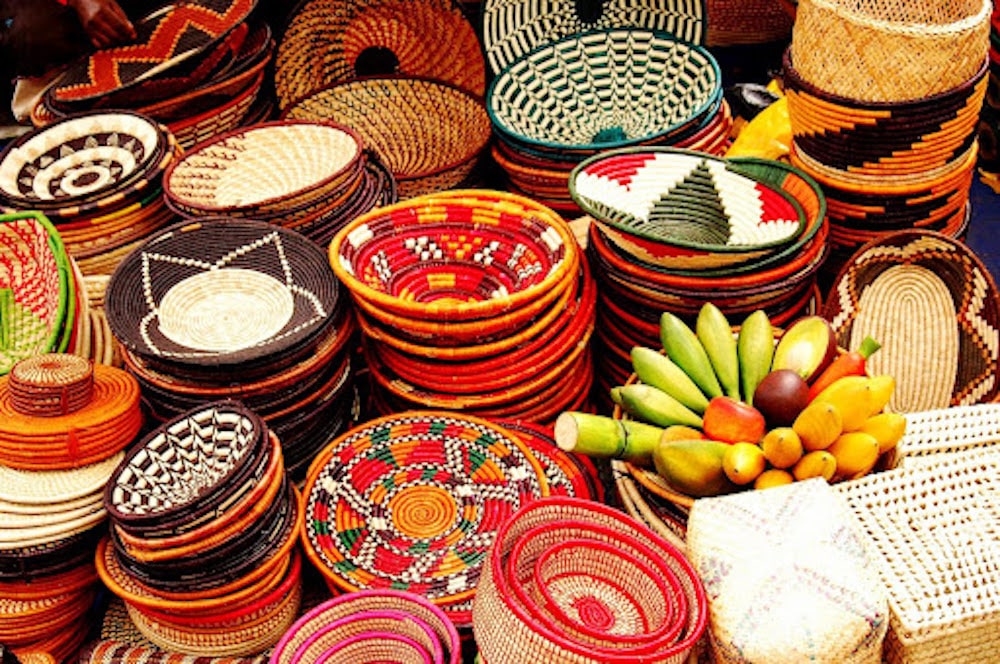
Most people planning a trip to Tanzania build their itinerary around the Serengeti and Ngorongoro Crater, then treat meals as an afterthought squeezed between game drives. That’s a mistake. Tanzanian food tours built properly, around real ingredients and small local kitchens rather than hotel buffets, often end up being the part of the trip people talk about longest.
Why the food rarely makes it into guidebooks
Tanzania’s food culture doesn’t get marketed the way its wildlife does, partly because it’s harder to photograph and partly because most visitors never get past resort dining. Dishes vary a lot by region, coastal areas lean on coconut, cassava, and fresh seafood, while the northern highlands near Arusha and Karatu favour maize, beans, and grilled meats cooked over open charcoal. East African food, done properly, is built around whatever’s grown or raised nearby that week, which means a good food tour changes slightly depending on the season.
What a proper tour actually involves
A well-run tour spends time in kitchens and at market stalls, not just restaurant tables. At Ol Mesera Restaurant in Karatu, visitors can watch dishes like choma choma grilled over open flame and mchicha, a wild spinach stew, prepared using ingredients pulled straight from the surrounding farmland that morning. African Cuisine here isn’t adapted for tourists, it’s the same food locals eat, which is exactly why it tends to leave more of an impression than a curated hotel menu ever could.
Pairing food with the rest of the trip
Karatu sits close enough to both the Ngorongoro Crater and the Merelani tanzanite mines that a lot of visitors end up combining a food tour with a stop for gems on the same trip. Buyers interested in a Natural Tanzanite Stone often visit African Gems & Jewelers in the same afternoon they’ve spent at the market, and couples shopping for Unique Gemstone Engagement Rings sometimes treat the whole day, food and stone, as one memorable stop rather than two separate errands.
Drinks worth knowing about before you go
A Dawa cocktail, made with honey, lime, and vodka, tends to show up at the end of most evening meals here, and it’s worth trying at least once even for visitors who don’t usually drink spirits. Local coffee is another highlight, grown in the highlands around Karatu and roasted close to where it’s picked, which makes for a noticeably fresher cup than most people are used to at home.
Booking a tour that’s actually local
The Tanzania Tourism Board lists registered operators for anyone wanting reassurance that a tour is genuinely community-run rather than a resort activity dressed up as one. Smaller, family-run kitchens tend to give a more honest picture of daily cooking than larger operations built around tour bus schedules.
Final thoughts
Tanzanian food tours work best when they’re treated as a real part of the trip, not a gap filler between wildlife stops. Visitors who make time for a proper meal in Karatu, alongside whatever else brought them to Tanzania, usually come home with a better sense of the country than the safari alone could give them.
FAQs
What’s included in a typical Tanzanian food tour?
Most tours include market visits, a cooking demonstration, and a shared meal featuring regional dishes prepared with locally sourced ingredients.
Can a food tour be combined with other activities in Karatu?
Yes, many visitors pair a food tour with a stop to see tanzanite mining country or shop for gemstone jewellery on the same day.
Is Tanzanian food very different from what’s served in hotels?
Often, yes. Hotel menus tend to be adapted for international tastes, while local kitchens serve the same food residents eat day to day.
What drinks are worth trying on a food tour?
A Dawa cocktail and freshly roasted highland coffee are both regional specialities worth trying at least once.