
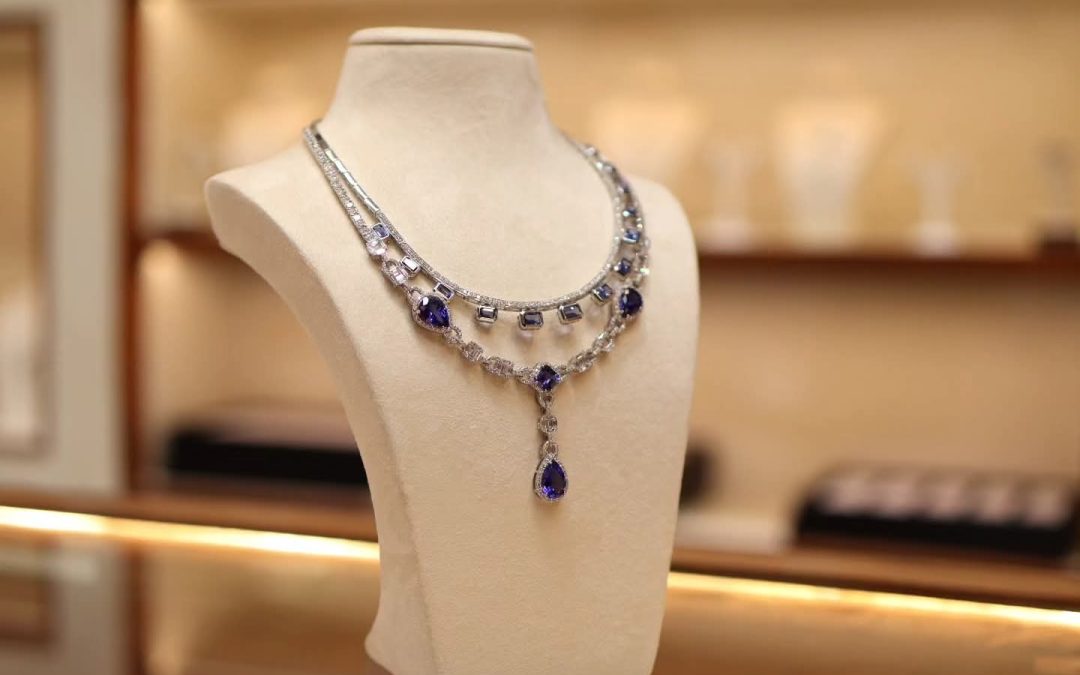
Most people who come on one of our gem tours have already bought tanzanite before — a ring, maybe a pendant picked up on a previous trip. What actually gets them, every time, is standing on the ground where it all came from and realising just how small the area is. A few square kilometres of the Merelani Hills, and that’s the entire global supply, past and future.
How the tour actually runs
It’s a half-day, usually, starting with a drive out from Arusha toward the Merelani mining block near Mount Kilimanjaro. You won’t be climbing down a shaft yourself — the working mines are genuinely dangerous and off-limits to visitors for good reason — but you’ll see the surface operations, meet miners and sorters on their break, and watch rough stone get graded by colour and clarity right in front of you. From there it’s on to a workshop where cutters shape the rough material, and finally the selling floor, where you can buy a piece knowing exactly which hands it passed through to get there.
A herder who wasn’t looking for gemstones
The story’s a good one and it’s true: in 1967, a Maasai herder called Ali Juuyawatu noticed unusual blue-violet crystals scattered across the ground near Mererani and mentioned it to a local prospector. Within a couple of years, Tiffany & Co. had named the stone “tanzanite” after the only country it comes from, and the rush was on. Guides on the tour tell it properly, standing more or less where it happened, which lands very differently than reading it off a plaque.
What you get here that no shop can offer
A jewellery counter can show you a finished ring. It can’t show you the miner who pulled the rough stone out of the ground, or the sorter deciding which pile it belongs in, or the cutter working out how to angle the wheel to catch the best colour. On tour, you see all of it, in order, which is the difference between buying a gemstone and actually understanding one.
Buying here means buying with proof
This is the part that matters most to a lot of our visitors. Anywhere else, you’re trusting a certificate and a seller’s word. Here, you’ve watched the stone move from ground to counter yourself — there’s no gap in the story for you to wonder about. Combined with independent grading references like the GIA’s material on tanzanite’s origins, which confirms Merelani as the sole global source, you’re buying with about as much certainty as this stone allows.
Fitting it into a wider Tanzania trip
Most guests pair the gem tour with a few days on safari or a stop in Zanzibar, and it works well either side of that — a half-day here doesn’t eat into your itinerary much. If you’re weighing up tanzanite generally before you commit to a tour, our guide to natural tanzanite stone is a good place to start.
Booking
Tours run most days during the June–October travel season and take small groups, usually under twelve, so it’s worth booking a week or two ahead if your travel dates are fixed. Half-day and full-day options are both available, with the full-day version adding more time in the workshop for anyone who wants to see the cutting process in more depth.
If you’re going to buy tanzanite at all, you may as well see where it comes from first. Book a gem tour with Safariland and hear the story from the people who live it.
FAQ
What does a tanzanite gem tour actually include?
A half-day trip out to the Merelani mining area near Kilimanjaro, time watching sorting and cutting, and a chance to buy directly from the source. Full-day options add more workshop time.
Can visitors go down into the actual mine?
No — active tanzanite mines aren’t open to visitors for safety reasons. You’ll see surface operations, sorting and cutting instead, which still gives a full picture of the process.
Is tanzanite really only found near Mount Kilimanjaro?
Yes. The Merelani Hills remain the only confirmed source of natural tanzanite anywhere in the world, a claim backed by independent gemological sources including the GIA.
Why buy tanzanite on a gem tour rather than in a shop?
You’ve seen the stone’s journey from ground to counter yourself, which removes most of the uncertainty that comes with buying gemstones through several unseen middlemen.
Can a gem tour be combined with the rest of a Tanzania trip?
Easily — most visitors add it alongside a safari or a stop in Zanzibar, since a half-day tour doesn’t take up much of an itinerary.